Hire AI Engineers Who Ship to Production, Not Just Demos
Every engineer is screened through InterviewGod — the same system we run across our own 300-person operation — on real production scenarios, not take-home tests or whiteboard puzzles.
Book a Discovery Sprint →



The constraint isn't headcount. It's verification.
Sourcing engineers who can talk about production AI is not the hard part. Verifying they can build it — against real data, real latency, real failure — is.
Every engineer we place clears eight capability checks before touching your codebase, run through InterviewGod, the system we use to hire across our own 300-person operation.

Grounding & retrieval
Verified on connecting models to your live systems and documents, not a static demo dataset assembled for a take-home.
Evaluation harnesses
Builds the test suites that catch model drift and regressions before your users do, not after a launch.

Debugging under load
Diagnoses failures in live production traffic, not inside a sandboxed notebook.
Latency & cost tradeoffs
Ships inference paths that hold up under real request volume and a real budget, not a demo query rate.
Data pipeline integration
Wires model inputs into your existing systems rather than standing up a parallel one to maintain.
Auth & security controls
Works inside your access model, your review process, your compliance boundary — from day one.
CI/CD for model code
Deployment pipelines that treat model changes with the same rigor as application code.

Monitoring & observability
Instrumentation that flags degradation after launch, not just at demo time.
Production-Ready Is a Process, Not an Adjective
Six steps, run the same way on every engagement — from screening to ownership handoff.
Discovery Sprint
We scope against production targets — latency, load, failure modes — not demo metrics. You get a written spec, not a slide deck.
Production Screening
Every engineer is screened through InterviewGod — the system we run across our own 300-person operation — on real production scenarios, not take-home tests.
Right-Sizing
A single engineer or a full pod, matched to your stack and codebase. No generic bench, no filler headcount.
Codebase Integration
Engineers work inside your repositories, CI, and review process, under your existing security controls — not a parallel workstream.
Build in Weeks
We ship production AI in weeks, not quarters — the same cadence we use to build InterviewGod, Vikaas, and Vidya for ourselves first.

Ownership Handoff
You own the system end to end, with no lock-in. A mismatch in the first weeks is replaced, not renegotiated.
Shipped to a client's production environment — not a demo environment.
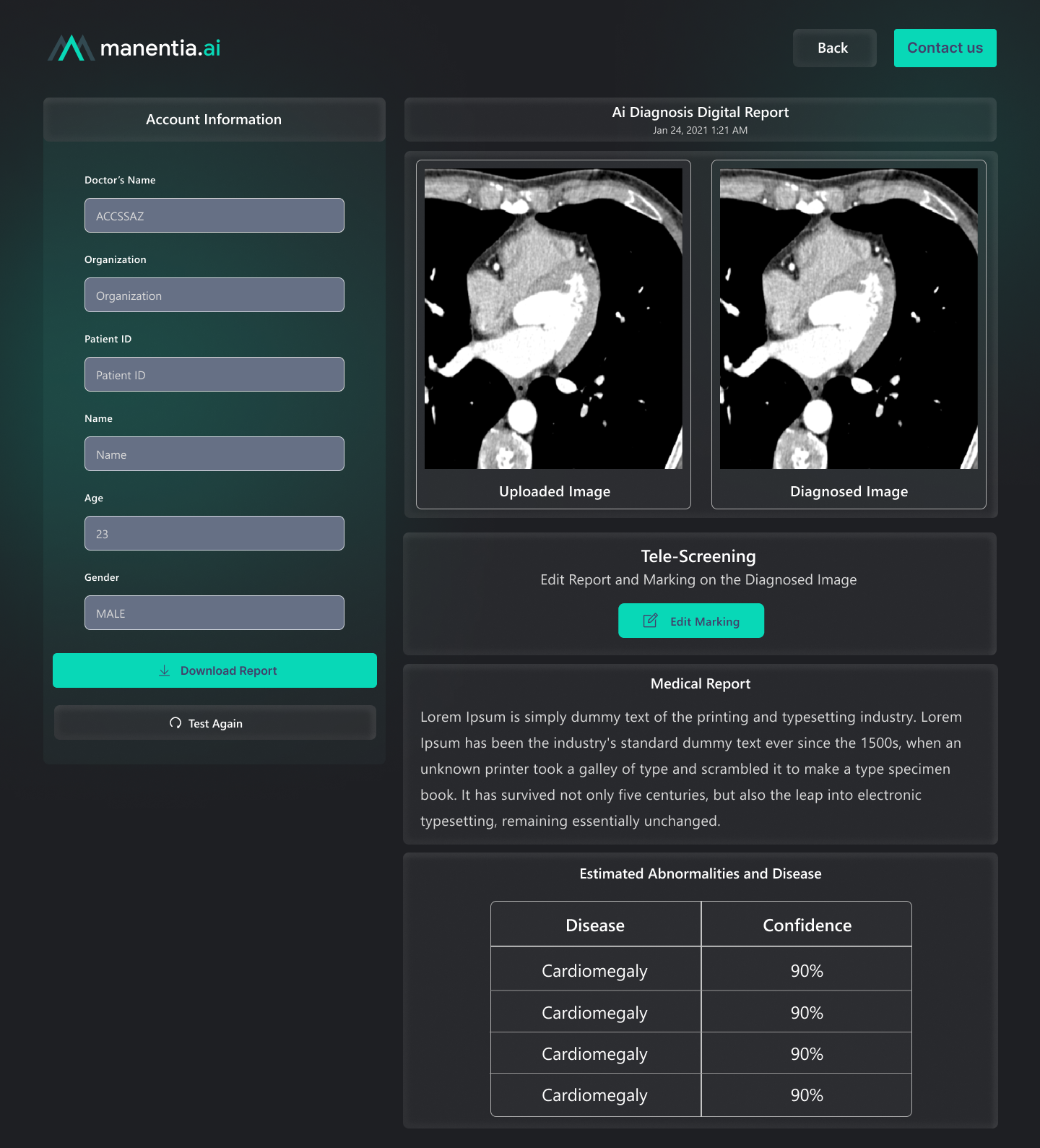
Manentia AI
Built and deployed by the same engineers who run Banao's own AI stack — InterviewGod, Vikaas, Vidya — across a 300-person operation. We do not sell software we hope works. We sell the software we depend on.
View the case study →The Same Standard We Hold Ourselves To
There was no ramp drama, no hand-holding. The team stayed accountable through two full release cycles — the way we expect our own engineers to.
Before You Book, Here's What We'd Ask Too
The questions technical buyers raise before a Discovery Sprint, answered directly — no follow-up call required to get a straight answer.
One to two weeks, not months. Every engineer is already screened and production-tested before you start a search — nothing is built from scratch once you commit, so the wait is onboarding time, not sourcing time.
Every engineer is screened through InterviewGod — the same system we use to hire across our own ~300-person operation — on real production scenarios: grounding, evaluation harnesses, debugging under load. Not a take-home test, not a whiteboard puzzle.
Inside yours. Engineers work in your repositories, your CI, and your review process, under your security controls — IP, NDA, and data-governance terms are set before day one.
The first weeks are structured as a trial. If it's a mismatch, we replace the engineer — it costs you onboarding time, not a quarter.
Either. Engagements are right-sized to the work — a single engineer embedded in one team, or a full pod covering a roadmap. Screening and integration are the same either way.
Nothing. The first call is a 45-minute Discovery Sprint — no obligation. 30+ clients, including Swiggy, Myntra, and PhonePe, started the same way.
Three reasons the last hire didn't cover you.
Every engineer is run through InterviewGod — the same system across our own 300-person operation — on real production scenarios.
Already production-tested, so the delay you feel is onboarding — not sourcing.
Engineers work in your repos and review process, structured as a trial — a mismatch costs onboarding time, not a quarter.