Your Last AI Project Didn't Fail Because of the AI
It failed at data, integration, or adoption — and most vendors never tell you which. We diagnose the failure mode before we propose anything, on our own 300-person operation and with 30+ clients including Swiggy and PhonePe.
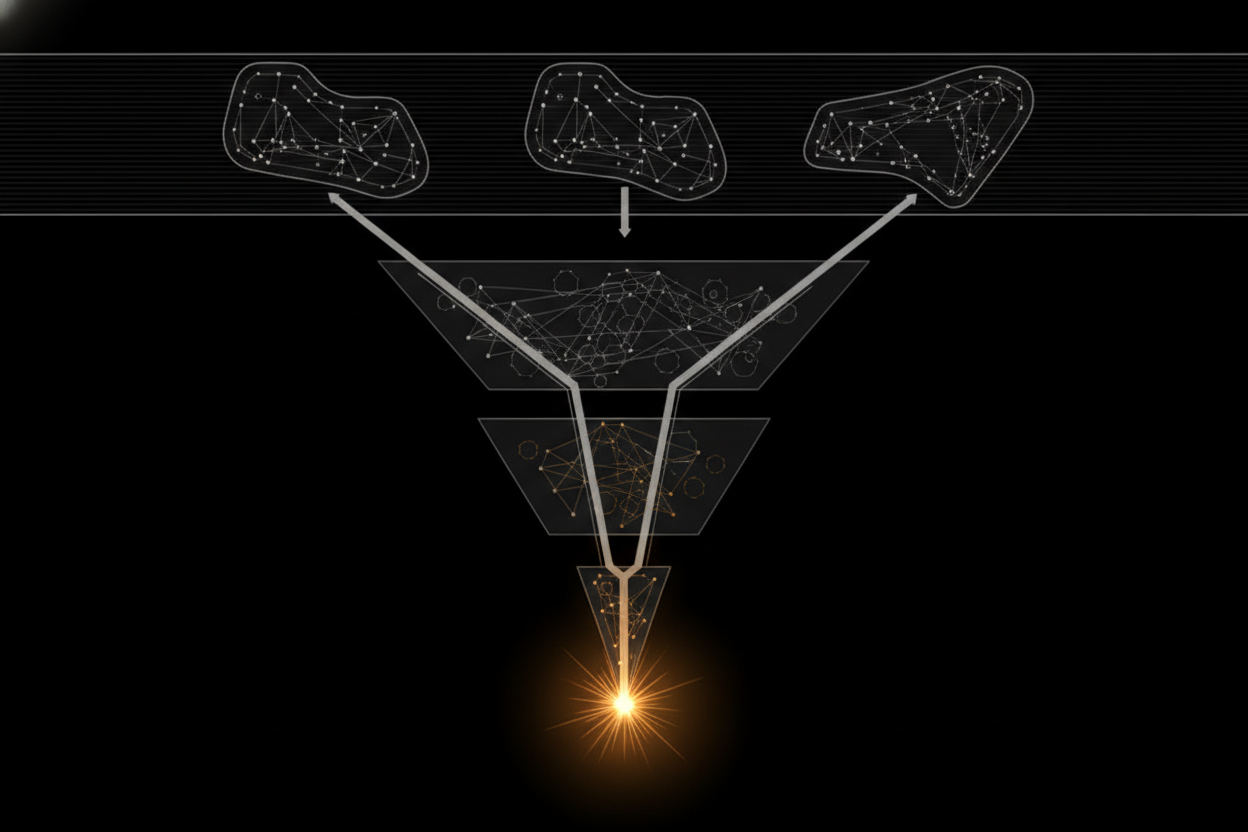
Four Layers, Every Engagement
AI capability was never the bottleneck. We build the layer around it — the same layer that keeps InterviewGod, Vikaas, and Vidya running inside our own 300-person operation.

Data Readiness
Pipelines validated against production traffic before a model ever touches them.
Systems Integration
Wired into the tools and workflows the team already runs on, not a new one to learn.
Adoption & Training
Rolled out with the people who use it daily, measured by usage after handover.
Monitoring & Retraining
Watched for drift and retrained before performance quietly decays.
Production AI Across Eight Capability Areas
Not a menu of buzzwords — eight areas where we ship models to live traffic, held to the same monitoring and retraining discipline we run on our own 300-person operation.
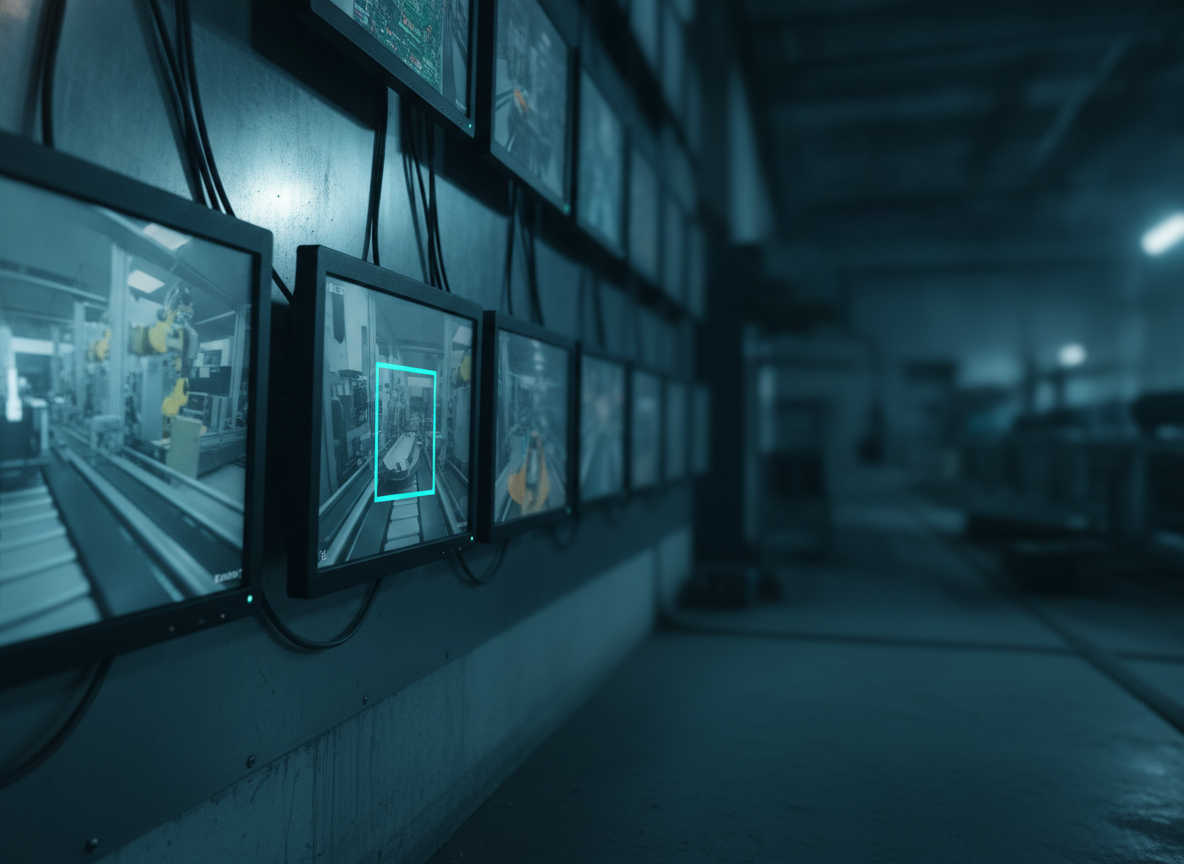

Computer Vision & Visual Inspection
Defect detection, quality control, and live-feed monitoring on production lines and physical infrastructure, deployed for clients including CP Plus.

Predictive Maintenance & Forecasting
Failure prediction and demand forecasting trained on your operational history, not generic industry benchmarks.

Natural Language & Document Intelligence
Contract review, ticket triage, and structured extraction from unstructured text at volume.

Recommendation & Personalization
Ranking and matching systems tuned to your catalog and user behavior, shipped to production traffic.
Conversational AI & Agent Systems
Support, sales, and internal-ops agents that resolve, not just deflect — the same class of system we run for our own hiring pipeline, InterviewGod.
Fraud & Anomaly Detection
Real-time scoring on transactions and events, tuned to your false-positive tolerance.

Process Automation (Agentic Workflows)
Multi-step workflows where the model plans and executes, not a chatbot bolted onto a form.
MLOps: Monitoring & Retraining
Drift detection and scheduled retraining wired in before launch — the same discipline we hold our own models to.
Five Steps, Starting With the Question Most Vendors Skip First
Why did it actually fail last time? We name the failure mode — data, integration, or adoption — before we propose anything.
-
01
Diagnose the failure mode
Data, integration, or adoption — we name which one stalled the last attempt before we propose anything new.
-
02
Audit data and integration reality
Most stalled AI projects were never a model problem. We map where the data and the systems around it actually break.
-
03
Build in production, from week one
No pilot sandbox, no slide deck. We ship into the real environment, in weeks, not quarters.
-
04
Roll out for daily use
Instrumented for the people who have to use it, not for the demo — adoption is measured from day one.
-
05
Monitor and retrain
We watch for drift the same way we watch our own 300-person operation's AI, on InterviewGod, Vikaas, and Vidya.

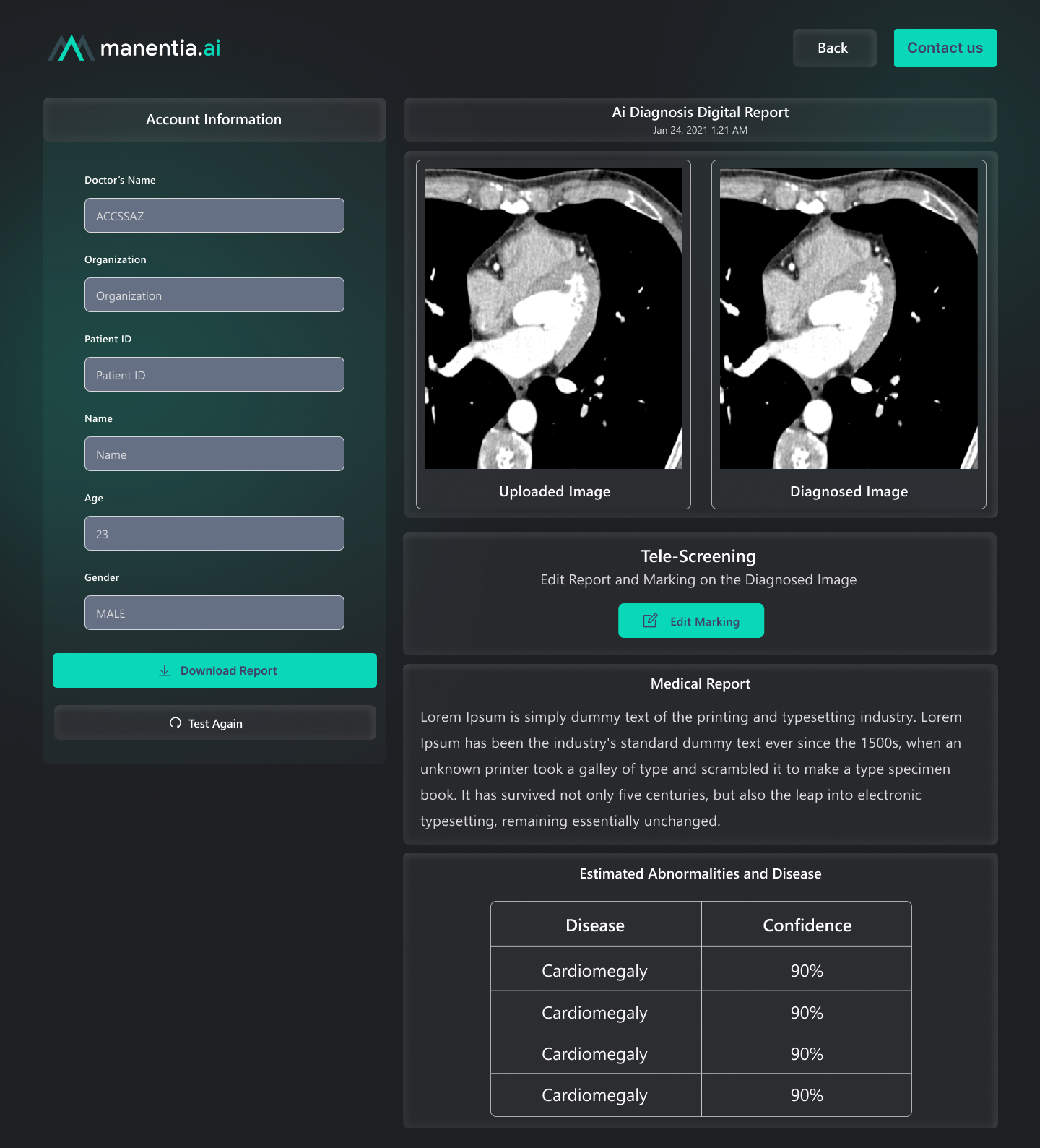
Diagnostic Imaging Doesn't Get a Beta Period
Manentia builds AI for diagnostic imaging — a category where a missed read isn't a bug ticket, it's a patient. Banao designed and shipped the production system: not a pilot, not a slide deck.
It's live today, held to the same production bar we hold our own 300-person operation to.
Talk to us about what "production-grade" means hereDirect From Engineering and Product Leads at 30+ Clients
We Run Our Own 300-Person Business on the AI We Build for You
Six objections, answered the way the pattern usually breaks versus how we run it — on our own operation first.
A vendor pitches capability before finding out what actually broke last time.
We diagnose the failure mode — data, integration, or adoption — before proposing anything, tested first on our own operation.
You get a polished demo that never reaches production.
We run hiring, outreach, and upskilling on this stack ourselves — the same system Swiggy, PhonePe, and 30+ clients run in production.
Timelines stretch across quarters before you see anything real.
A free, 45-minute Discovery Sprint, then a two-week sprint that shows whether it holds.
The vendor disappears after go-live, and drift goes unnoticed.
Thirty days of support included, with drift monitoring from day one.
You're locked into the vendor's platform to keep it running.
You own the system. No lock-in — one of the four things every engagement is built around.
Nobody checks if your data can support the build until it's underway.
The Discovery Sprint checks data, integration, and adoption readiness first — before we propose a build.
See the Stack We Run Our Own Company On
InterviewGod, Vikaas, and Vidya are live products, not case studies — running our own 300-person operation. The same process ships for Swiggy, PhonePe, Indian Oil, CP Plus, and 30+ other enterprise clients.